How to be a good FIRST YEAR!
1. Say ‘yes’ to everything that makes sense: cAMP (especially cAMP, more than anything else!), parties, balls, and unusually rowdy bus rides. Our activities and academics officers put their heart and soul into organising these spectacular events and they are the best way of getting to know your peers in first year!
2. The drinking culture at uni can be quite a different experience fresh out of high school. Don’t feel pressured to drink, no matter how much other people are drinking. Some of your Biomed committee will enjoy a cheeky bev or two, but not all. Never worry about being excluded if you opt not to drink, everyone is just out for a good time!
3. Reach out when you need help! Our committee is available to answer all your questions that you have about uni life! Whether it be about your future career or where we got our cool fits from, we are so, so happy to chat with you. Feel free to DM us with anything that you would like to see in the year and we’ll try to make it happen!
4. Being ‘too cool’ for dress-up themes is uncool. The more elaborate your costume at any event, the more you will fit in. Trust.
5. Apply to join the Biomed committee as one of our four First Year Reps! As a First Year Rep, you are fully involved in the behind-the-scenes and will help us organise many social and academic events. You’ll be selected through a democratic voting process, so be sure to make a name for yourself at our events!
6. If you haven’t said hi to your peer mentor, then we think you should go log on to Moodle and get in touch with them - like seriously go do it right now! The Peer Mentoring program is run centrally by the Peer Mentoring team and is a great way to ease the transition into uni, which is often a big (and sometimes overwhelming) experience. Your mentors are here to support you through whatever you need to help uni seem a little less daunting. We’ve all been a first-year at some point in our university experience and we know how it feels. Please don’t leave your peer mentor on ‘read’ (it makes us sad) and make sure to attend those catch-ups to ease into uni and make new connections!
Textbooks
The cost of all the prescribed and recommended textbooks for each semester can quickly add up, so we definitely recommend looking into a PDF/eBook version of the textbook. Most can be found on the online library or after a dedicated browse on the internet. Be sure to ask around - one of your Biomed buddies is sure to have a copy!
*Keeping in mind that due to the prescribed workload for each unit, which often includes compulsory background/pre-reading as well as pre- and post-online lessons, most students find it difficult to find time to go through the content in the accompanying textbook. The lecture slides are usually comprehensive enough, and if you’re seeking additional notes/examples, you will typically be able to find a helpful tutorial on Khan Academy.
PASS sessions
Sign up for Peer Assisted Study Sessions (PASS) and attend the sessions! PASS becomes available on Allocate+ around Week 2, and you’d be silly to say no. These sessions are organised for certain first-year subjects that are considered a little more difficult and are run weekly by previous high-achieving students. They aren’t compulsory but are highly recommended as they’re extremely helpful, well-run, and completely free!
General unit overview
In first year, you will have 3 core biomedical units, as well as one elective unit. Each unit will require you to complete work prior to attending your classes in the first week. In order to ensure you complete everything, make sure to check out the learning tab on Moodle! Typically, each week you will have to complete the own-time work on Moodle before attending classes. This may include lectures, quizzes or pre-labs. Pre-labs are essential to do before labs. The real-time section of Moodle is what is completed during classes and labs, and the wrap-up is for after. Also make sure you check the weekly announcements as they generally break down an overview of the week.
Lectures
There will be approximately 2 hours of lectures, per week, per unit. These are all delivered online so can be watched in your own time. The lectures in the pre work are then applied in the following week’s workshops or labs (i.e. the content from Week 1 lectures is used in Week 2 workshops/labs).
Unit Guides and Electives
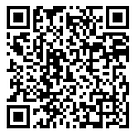
Scan this QR code for an insight into the core BMS units and popular electives from past students!
Academic Tips and Tricks